Yin yoga, often dubbed the "slow and steady" cousin of more dynamic practices like vinyasa, has garnered a loyal following among those seeking relaxation and deeper introspection. But as practitioners roll out their mats and settle into deep stretches, a nagging question lingers: is this really enough exercise? Let's explore the nuances of yin yoga, its benefits, limitations, and how it compares to other styles.
The Essence of Yin Yoga
At its core, yin yoga focuses on long holds and passive stretching. Unlike the more vigorous flow of vinyasa yoga, which keeps practitioners moving through sequences designed to elevate heart rate and engage muscles dynamically, yin seeks to target the connective tissues—think ligaments and fascia—by holding poses for several minutes at a time. This approach promotes not just flexibility but also encourages mindfulness, offering a chance to slow down and tune in.

Yin yoga often features seated or reclined postures that allow gravity to do much of the work. While these positions may appear deceptively simple, they can lead to profound changes in both body and mind. Regular practice can increase flexibility significantly; many find that poses they once struggled with become accessible over time.
Benefits Beyond Flexibility
The advantages of yin yoga extend well beyond merely touching your toes. Engaging in this practice can enhance mobility by targeting areas where stiffness commonly accumulates—hips, lower back, and shoulders are prime candidates. Improved circulation is another notable benefit; the long-held poses promote blood flow throughout the body, flushing out toxins while nourishing muscles.
Moreover, it's essential not to overlook the mental benefits that come with extended periods of stillness. In our fast-paced lives filled with distractions, yin yoga offers a sanctuary for mindfulness and reflection. It’s about cultivating patience as you sit with yourself in silence.
Is Yin Yoga Enough Exercise?
Here's where things get interesting. For those accustomed to high-intensity workouts or even moderate cardiovascular activities like jogging or cycling, yin yoga might feel insufficient. It lacks the rapid muscle engagement seen in vinyasa or power yoga classes where you're continuously moving from one pose to another.
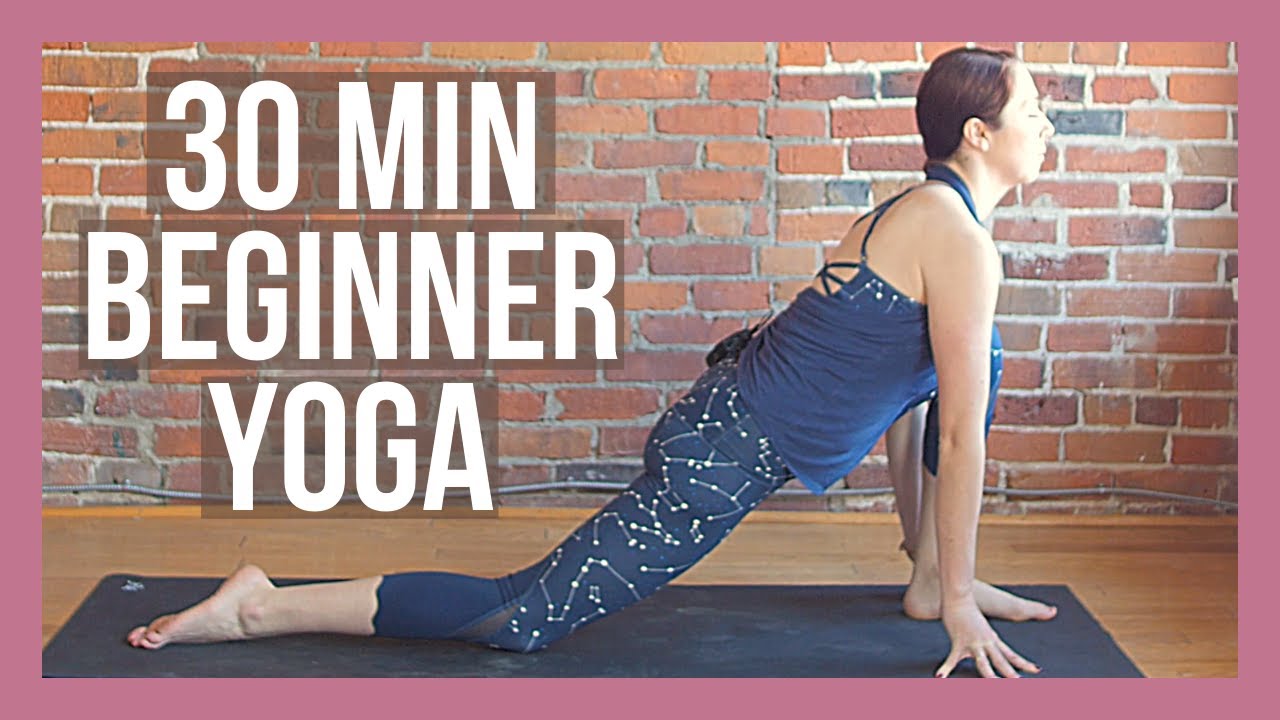
However, categorizing it as “not enough exercise” misses the point entirely. Yin yoga serves different purposes—it emphasizes recovery days rather than being solely about calorie burn or strength building. Practiced regularly alongside other forms of exercise, such as strength training or aerobic workouts, it complements an overall fitness regimen brilliantly.
Calorie Burn Considerations
While some may wonder about calorie expenditure during a yin session compared to an hour spent sweating through sun salutations in vinyasa class, here’s a revealing tidbit: one hour of yin yoga typically burns fewer calories—think around 200-300 calories depending on various factors like body weight and intensity level.
Yet this doesn't mean it's without merit for fitness enthusiasts. Those who practice yin regularly often report enhanced recovery times after more strenuous workouts due to increased flexibility and reduced muscle tension.

Yin Yoga vs Vinyasa: A Comparative Look
Understanding how yin stacks up against vinyasa reveals significant distinctions that cater to different needs:
Pace: Vinyasa flows are dynamic; you’re constantly moving through poses linked by breath. Yin is slow-paced with prolonged holds. Focus: Vinyasa targets muscle engagement and strength; yin zeroes in on connective tissues and relaxation. Energy Level: Vinyasa usually requires higher energy levels; yin invites you to embrace stillness. Mental Engagement: Both practices encourage mindfulness but approach it differently—yin encourages looking inward through stillness. Ideal Practice Times: Many find vinyasa energizing for morning sessions while evening classes align perfectly with the restorative essence of yin.This comparison highlights how each style serves distinct purposes within a broader wellness strategy.
Myths and Misconceptions
Despite its rising popularity, misconceptions about yin persist among newcomers:
- "Yin is too easy." Sure, it may seem effortless at first glance but holding postures for several minutes while maintaining focus can be surprisingly challenging. "It’s only for flexible people." In reality, yin is suitable for all fitness levels; it’s about finding your edge without forcing yourself into discomfort. "Yin won’t build strength." While not focused on heavy lifting or intense muscle engagement like other styles might be, regular practice can enhance stability by improving range of motion around joints.
Mobility Matters
For those aiming to improve mobility specifically—especially athletes or anyone recovering from injury—yin provides invaluable support through its targeted stretching techniques aimed at softening tight areas gently over time.
Incorporating long-held stretches into your routine facilitates gradual improvements without overwhelming your system—a key factor when considering recovery days.
The Takeaway
Ultimately, whether yin yoga is merely a gentle stretch or something more profound depends on individual perspectives towards movement and well-being. By embracing its unique qualities and integrating them into an overall fitness regimen that includes diverse practices—from vigorous flow classes to strength training—you’ll cultivate both physical resilience and mental clarity.
So if you’re ready for an exploration that balances effort with ease while diving deep into your own experience of body-mind connection, consider rolling out your mat for some quality time with those long-held Additional resources poses—it might just surprise you!