When it comes to enhancing flexibility, many people often lump yoga and traditional stretching into the same category. However, while both practices can improve range of motion and support physical health, they offer distinct benefits that cater to different needs. Understanding these differences can help you make a more informed choice about which practice aligns better with your goals.
Yoga is often misunderstood as merely a series of stretches. In reality, it encompasses a rich philosophy that integrates physical postures, breath control, meditation, and mindfulness. This holistic approach not only promotes flexibility but also fosters mental clarity and emotional well-being. On the other hand, traditional flexibility training typically focuses on increasing the elasticity of muscles through repetitive movements or static holds. While effective for certain physical goals, such as enhancing athletic performance or preparing for physical activity, it may lack the broader benefits offered by yoga.
The Mind-Body Connection
One of the most significant advantages of yoga over simple stretching lies in its emphasis on the mind-body connection. Yoga encourages practitioners to cultivate awareness of their breath and body sensations throughout each posture. This heightened awareness can lead to greater mindfulness in daily activities beyond the mat.
For example, during a yoga session, you might focus on how your body feels in a downward dog position while synchronizing your breath with movement. This connection helps reduce stress and anxiety levels, contributing to overall mental health. In contrast, typical stretching routines often lack this level of engagement with one's own body and mind.
Moreover, studies suggest that practices like yoga can lower cortisol levels — the stress hormone — while increasing feelings of relaxation and calmness. This bi-directional relationship between mind and body adds layers to flexibility training that static stretches simply do not provide.
Moving Beyond Flexibility
While both yoga and stretching contribute to improved flexibility, yoga offers additional benefits that extend into functional strength and balance. Many yoga poses require strength to hold challenging positions or transition fluidly from one pose to another. For instance, balancing poses like tree pose or warrior III not only stretch specific muscle groups but also enhance core stability and proprioception.
Functional strength is crucial for everyday activities — whether it's lifting groceries or playing with children. Practicing yoga regularly can contribute to better overall fitness by developing strength in conjunction with flexibility.

Conversely, traditional stretching mainly targets specific muscle groups without fostering these additional functional aspects. Although it may aid in preventing injury by improving muscle elasticity, it often neglects strengthening weaker areas or stabilizing muscles necessary for balanced movement patterns.
The Breath Factor
Breathing plays a pivotal role in yoga practice; it's woven into every movement and transition. The practice teaches controlled breathing techniques (pranayama) that enhance lung capacity and oxygen flow throughout the body. Research indicates that breath-focused practices can lower blood pressure and improve cardiovascular health — benefits seldom associated with conventional stretching routines.
Incorporating breath control into your movements not only facilitates deeper stretches but also helps release tension stored within Find out more the body. When you breathe deeply into an area experiencing tightness during a stretch, you promote relaxation rather than forcing your limits physically. This mindful approach allows for safer progression toward increased flexibility while reducing the risk of injury.

Static stretching lacks this intentional focus on breathwork; thus it may miss out on potential therapeutic effects associated with mindful breathing techniques found in yoga.
Philosophy Meets Physicality
Yoga is steeped in philosophical teachings that encourage personal growth beyond mere physical improvement. Concepts such as non-attachment (aparigraha) and self-acceptance play significant roles in shaping how practitioners relate to their bodies during practice.
Through consistent engagement with these teachings on the mat—alongside physical postures—yoga cultivates resilience against negative self-talk or external pressures regarding body image or performance expectations.
On the other hand, traditional stretching tends to be more goal-oriented: achieving greater flexibility or preparing muscles for an upcoming workout without delving into underlying motivations behind those pursuits.
Practical Application
In considering whether to choose yoga over simple flexibility training, think about what you're hoping to achieve through movement practices:
Holistic Benefits: If you seek overall well-being encompassing both mental clarity and increased physical flexibility. Mindfulness: If cultivating awareness of breath/body connection resonates with your personal growth journey. Functional Strength: If building strength alongside flexibility for daily life activities is paramount. Stress Relief: If reducing stress hormones through mindful movements appeals more than just enhancing range of motion. Philosophical Growth: If exploring philosophical concepts related to self-acceptance resonates deeply within you.Ultimately, both practices have their place within fitness regimens; however understanding their unique offerings allows individuals to tailor experiences according to personal needs effectively.
Whether pursuing deeper spiritual connections or focusing solely on improved athletic performance—yoga provides an enriching experience that transcends traditional definitions of exercise rooted exclusively around muscle lengthening alone.
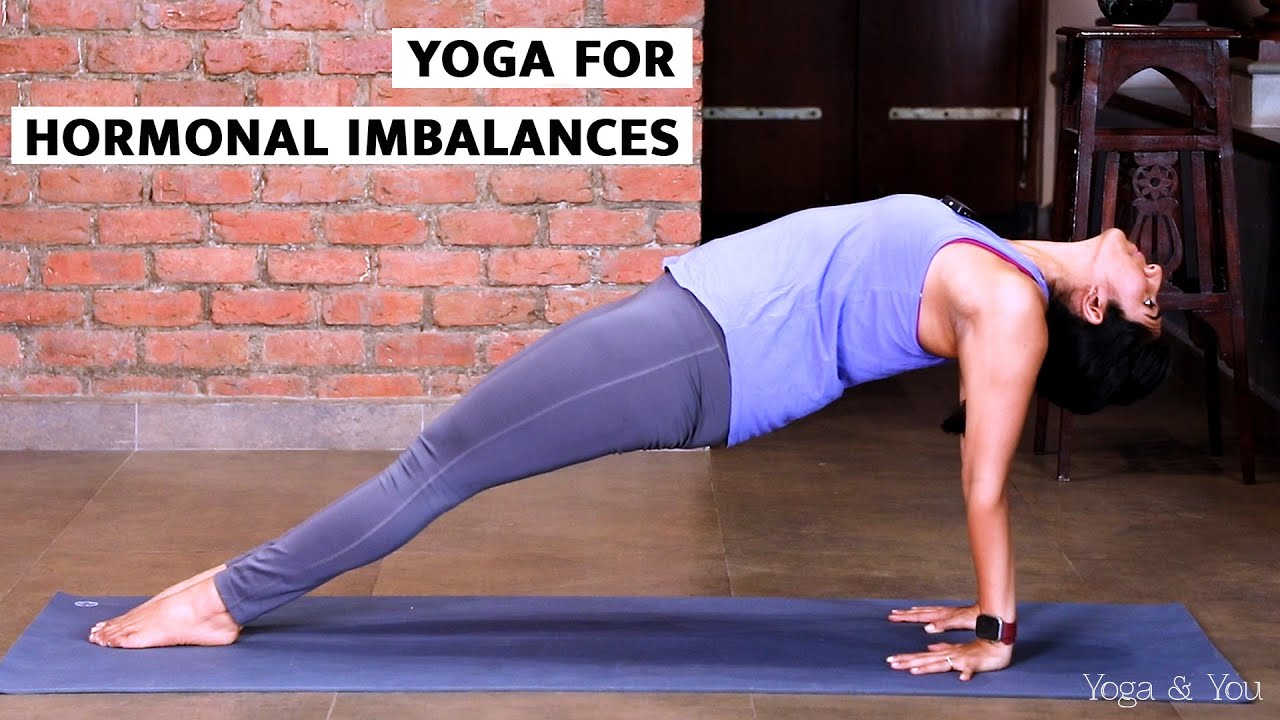
By weaving together mental awareness along with physical postures over time—many find themselves cultivating not just flexible bodies—but resilient minds ready to face whatever challenges life throws their way!